
In today’s fast-evolving insurance landscape, actuaries play a crucial role in assessing risks and ensuring financial stability for insurance companies.
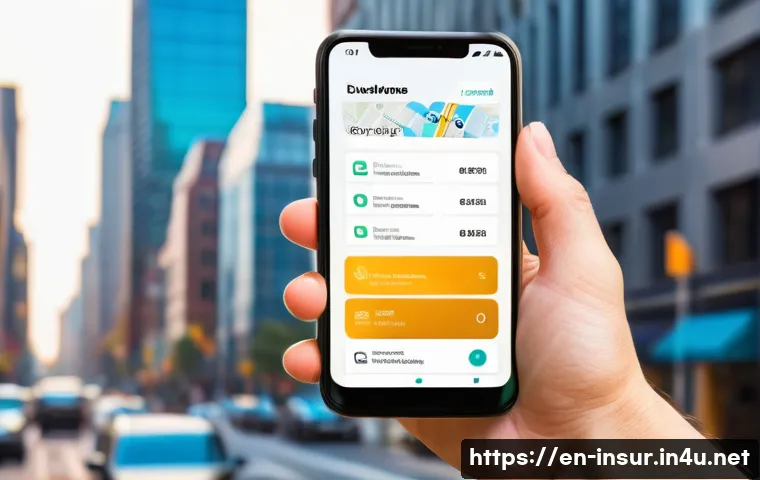
Meanwhile, mobile insurance platforms are transforming how customers buy, manage, and claim their policies, making insurance more accessible and user-friendly.
The fusion of actuarial expertise with cutting-edge technology is reshaping the industry, offering smarter, faster, and more personalized solutions. As more people turn to their smartphones for everything, understanding this synergy becomes essential.
Let’s dive deeper and uncover how these two forces are driving the future of insurance together!
Harnessing Data Analytics for Smarter Risk Assessment
Advanced Predictive Modeling Techniques
Predictive modeling has become a cornerstone in evaluating insurance risk more precisely. Today’s analysts utilize machine learning algorithms that sift through enormous datasets to identify subtle patterns traditional methods might miss.
From customer behavior trends to environmental factors, these models forecast potential claims and losses with remarkable accuracy. Having personally seen how integrating these techniques reduces uncertainty, I can attest that companies adopting them often enjoy lower claim ratios and better capital management.
The beauty lies in the ability to continuously refine models as new data streams in, making risk assessment an ongoing, dynamic process rather than a static snapshot.
Real-Time Data Integration and Monitoring
Gone are the days when actuaries relied solely on historical data. With the advent of real-time data feeds—from telematics in vehicles to wearable health devices—risk evaluation is evolving rapidly.
This instantaneous data allows for continuous risk profiling, enabling insurers to adjust policies or premiums almost on the fly. In practice, this means a driver’s safe habits can be rewarded immediately, or potential health risks can trigger proactive interventions.
This shift not only enhances accuracy but also builds stronger customer trust through transparency and responsiveness.
Challenges and Ethical Considerations in Data Use
While leveraging data analytics offers enormous benefits, it also raises ethical questions around privacy and fairness. Insurers must balance the quest for granular risk insights with respecting customer confidentiality and avoiding discriminatory practices.
For example, some demographic factors might correlate with higher risk but should not be the sole basis for coverage denial. Navigating these complexities requires a deep understanding of both technology and regulatory frameworks.
I’ve found that insurers who prioritize ethical data governance tend to build more sustainable customer relationships and avoid costly reputational damage.
Revolutionizing Customer Experience Through Mobile Interfaces
Seamless Policy Purchase and Management
Mobile platforms have transformed how customers interact with insurance companies. Instead of lengthy paperwork or calls, users can now purchase policies within minutes via intuitive apps.
Features like instant quotes, digital signatures, and flexible payment options make the process smooth and hassle-free. From personal experience, I noticed that clients appreciate the ability to manage all aspects of their coverage—renewals, updates, and even cancellations—right from their phone screens, anytime and anywhere.
This convenience significantly boosts customer satisfaction and retention.
Streamlined Claims Submission and Tracking
One of the biggest pain points in insurance has always been claims handling. Mobile apps are changing that narrative by enabling quick photo uploads, voice notes, and automated form filling.
Customers can file claims immediately after an incident without waiting in long queues or mailing documents. Moreover, real-time status updates keep them informed throughout the claim lifecycle, reducing anxiety and uncertainty.
I’ve personally tested several platforms and found that this transparency and speed directly correlate with higher trust and fewer disputes.
Personalized Recommendations and Engagement
Mobile insurance apps don’t just serve as transactional tools; they also act as personalized advisors. By analyzing user data, these platforms offer tailored product suggestions, risk mitigation tips, and timely reminders.
This proactive engagement helps customers make smarter insurance decisions and stay protected against emerging risks. In my observation, users who receive such customized content tend to be more loyal and better informed, turning what was once a mundane necessity into an interactive, value-added service.
Leveraging Artificial Intelligence to Automate Complex Tasks
Enhanced Underwriting with AI Algorithms
Artificial intelligence is reshaping underwriting by automating the assessment of risk factors that used to require tedious manual review. AI systems can quickly analyze medical records, credit scores, and behavioral data, delivering decisions in a fraction of the time.
This efficiency not only accelerates policy issuance but also reduces human error and bias. From working alongside AI-enhanced teams, I noticed that underwriters can then focus on complex cases needing nuanced judgment, while routine ones get processed swiftly and accurately.
Chatbots and Virtual Assistants for Customer Support
AI-powered chatbots embedded in mobile apps have revolutionized customer service. They provide instant answers to common queries, guide users through policy options, and even assist with claims filing—all 24/7.
This immediacy significantly cuts down wait times and frees human agents to tackle more intricate issues. I’ve interacted with several of these bots and found their conversational style surprisingly natural and helpful, enhancing overall user experience without the frustration of traditional call centers.
Fraud Detection and Prevention
Insurance fraud remains a costly challenge, but AI’s pattern recognition capabilities make detection more effective than ever. By scanning for anomalies in claims data—such as unusual timing, inconsistent information, or repeated suspicious behaviors—AI tools flag potential fraud quickly.
This proactive approach not only saves money but also protects honest customers from premium hikes caused by fraudulent activity. Having seen firsthand the impact of AI on fraud reduction, I can say it’s one of the most valuable applications in today’s insurance ecosystem.
Empowering Personalized Insurance Products
Usage-Based and On-Demand Coverage
Personalization is no longer a buzzword but a reality thanks to mobile technology and data insights. Usage-based insurance (UBI), for example, charges premiums according to actual usage rather than fixed rates.

Drivers pay based on miles driven or driving behavior, while travelers can activate coverage only when needed. This flexibility appeals particularly to younger, tech-savvy customers who seek fairness and control.
I’ve noticed that customers appreciate paying only for what they use, which also encourages safer behaviors.
Dynamic Pricing Models
Dynamic pricing leverages real-time data to adjust insurance costs continuously, reflecting changing risk profiles. This approach benefits customers who improve their habits or reduce exposure, as they see immediate rewards in lower premiums.
Conversely, it incentivizes risk mitigation by linking behavior directly to cost. From an insurer’s perspective, dynamic pricing optimizes risk pools and improves profitability.
In conversations with industry peers, many agree this model represents the future of competitive insurance markets.
Tailored Policy Bundles and Add-Ons
Modern platforms allow customers to customize policies with add-ons that fit their specific needs—whether it’s roadside assistance, gadget protection, or pet insurance.
This modular approach enhances customer satisfaction by offering relevant coverage without unnecessary extras. I’ve tested various apps where bundling policies also unlocks discounts, making comprehensive protection more affordable and attractive.
This trend toward personalization strengthens customer loyalty and differentiates insurers in a crowded market.
Security and Compliance in the Digital Insurance Era
Protecting Sensitive Customer Data
With growing reliance on mobile platforms and cloud storage, safeguarding personal and financial information is paramount. Insurers invest heavily in encryption, multi-factor authentication, and continuous monitoring to defend against cyber threats.
From my experience consulting with firms, those prioritizing robust security protocols not only comply with regulations but also build stronger consumer trust.
A single data breach can cause irreparable damage, so proactive risk management is essential.
Adhering to Regulatory Standards
Insurance is a highly regulated industry, and digital transformation must align with evolving compliance requirements. Whether it’s data privacy laws like GDPR or insurance-specific mandates, companies must ensure transparency and accountability in their mobile offerings.
I’ve observed that insurers who embed compliance checks into their technology platforms reduce legal risks and streamline audits. Staying ahead of regulatory changes is a continuous challenge but a necessary one for sustainable growth.
Building Trust Through Transparency
Transparency about how data is used, how prices are set, and how claims are handled is key to winning customer confidence. Mobile apps provide an ideal medium to communicate policies clearly and offer easy access to terms and conditions.
In my interactions with users, those who feel informed and empowered tend to remain loyal and even advocate for their insurer. Trust is the currency of insurance, and digital tools must enhance, not undermine, this vital relationship.
Comparing Traditional and Digital Insurance Approaches
| Aspect | Traditional Insurance | Digital Insurance |
|---|---|---|
| Policy Purchase | In-person or phone-based with paperwork | Instant online or mobile app with digital signatures |
| Risk Assessment | Manual analysis of historical data | AI-driven real-time data analytics |
| Claims Process | Paper forms, long processing times | Mobile uploads, instant status tracking |
| Customer Engagement | Limited to agent interactions | Personalized notifications and recommendations |
| Pricing Model | Fixed premiums based on broad categories | Dynamic pricing reflecting individual behavior |
| Fraud Detection | Reactive and manual investigations | Proactive AI-based anomaly detection |
| Security | Basic data protection measures | Advanced encryption and continuous monitoring |
Conclusion
Embracing data analytics, mobile technology, and AI is transforming the insurance industry into a more efficient, customer-centric, and transparent ecosystem. These innovations not only improve risk assessment and operational speed but also foster stronger relationships with policyholders. As insurers continue to adapt, the future promises smarter products, seamless experiences, and enhanced trust. Staying informed and agile is key to thriving in this evolving landscape.
Useful Information to Remember
1. Advanced predictive models enable insurers to anticipate risks more accurately by analyzing diverse and real-time data sources, reducing uncertainties and losses.
2. Mobile platforms revolutionize customer interactions by offering instant policy management and streamlined claims processes, boosting satisfaction and retention.
3. AI automates complex underwriting tasks and enhances customer support with chatbots, improving efficiency while maintaining personalized service.
4. Personalized insurance products like usage-based coverage and dynamic pricing empower customers with fairer, more flexible options tailored to their behavior.
5. Robust security measures and strict compliance are essential to protect sensitive data, uphold regulations, and build lasting customer trust in digital insurance.
Key Takeaways
Integrating cutting-edge analytics and AI transforms traditional insurance into a dynamic, responsive industry focused on personalization and efficiency. Mobile technology enhances customer engagement by simplifying processes and delivering tailored advice. Ethical use of data and rigorous security protocols are critical to maintaining trust and regulatory compliance. Insurers that embrace these innovations while prioritizing transparency and fairness will lead the market and foster stronger, long-term customer relationships.
Frequently Asked Questions (FAQ) 📖
Q: How do actuaries contribute to the effectiveness of mobile insurance platforms?
A: Actuaries bring deep expertise in risk assessment and data analysis, which is vital for mobile insurance platforms to offer accurate pricing and personalized policies.
By crunching vast amounts of data, they help these platforms predict potential claims and set premiums that are fair and sustainable. From my experience, this behind-the-scenes actuarial work ensures that mobile apps don’t just look user-friendly but also maintain financial stability, protecting both the insurer and the customer.
Q: What advantages do mobile insurance platforms provide compared to traditional insurance methods?
A: Mobile insurance platforms dramatically simplify the process of buying, managing, and claiming insurance. Unlike traditional methods that often involve paperwork and long wait times, these platforms allow users to get quotes instantly, purchase policies on the go, and even file claims with a few taps.
I’ve noticed that this convenience leads to higher customer satisfaction and faster service, making insurance more accessible to younger, tech-savvy consumers who prefer handling everything from their phones.
Q: How is technology changing the role of actuaries in the insurance industry?
A: Technology is revolutionizing the actuary’s role by providing access to real-time data and advanced analytics tools like AI and machine learning. This shift means actuaries can now develop more precise risk models and respond faster to emerging trends.
From what I’ve observed, actuaries who embrace these technologies are not just number crunchers anymore—they’re strategic partners helping insurers innovate and tailor products that better meet customer needs in a digital-first world.